Asia slams on the brakes! The cost of artificial intelligence unsettles markets
Asian stock markets posted a day of declines, led by technology companies. Reuters linked the moves to concerns over high spending on artificial intelligence infrastructure and geopolitical tensions in the Gulf region. The MSCI Asia-Pacific index excluding Japan fell 1.8%, while major national markets posted losses and semiconductor makers came under pressure.
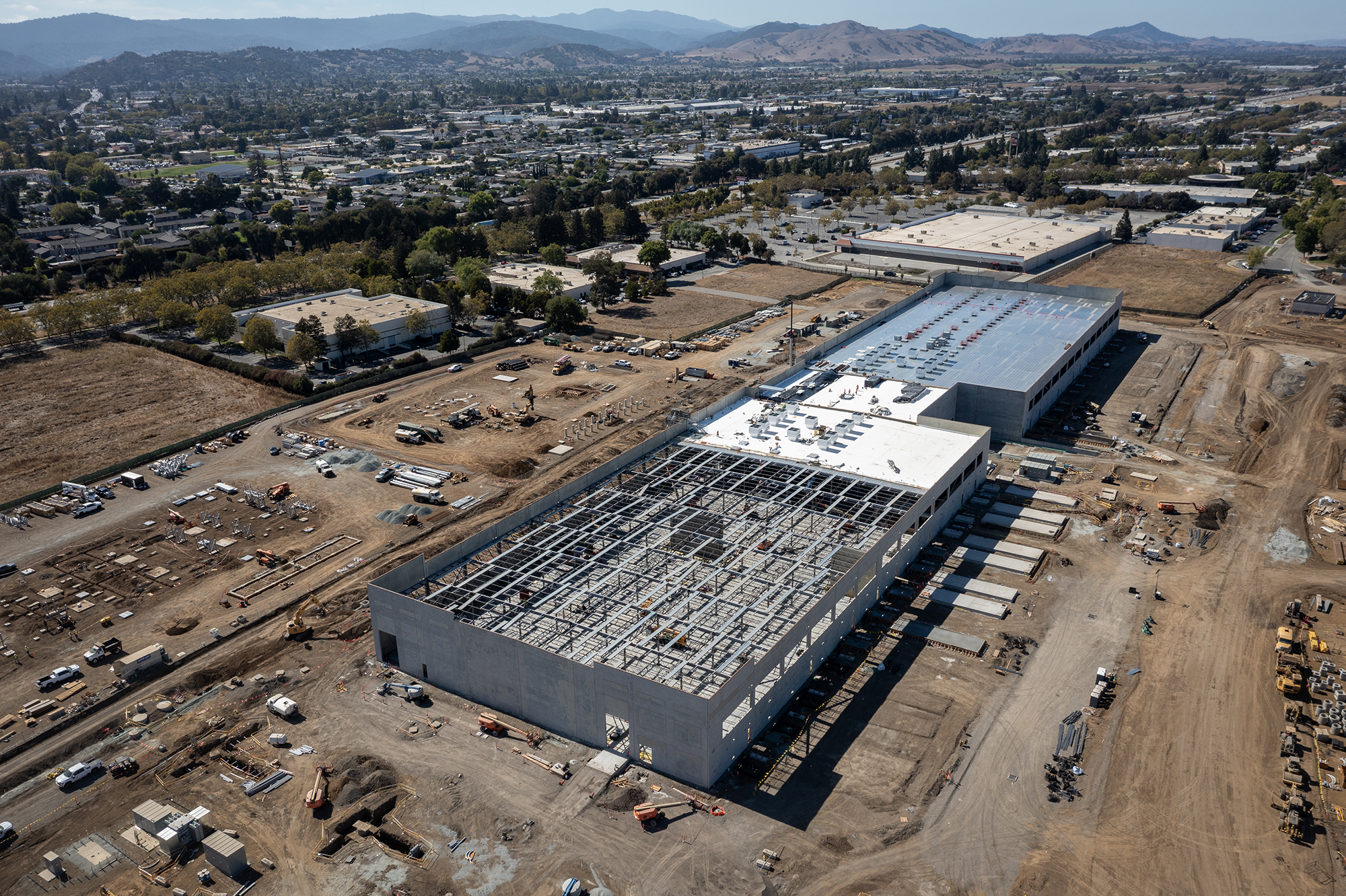
The economic promise of artificial intelligence coexists with its costs. Building data centers, acquiring accelerators and securing energy supplies requires enormous investment. Investors remain focused on when that spending will turn into revenue and margins sufficient to justify the valuations of technology companies.
A difficult day for the region. Reuters reported that the MSCI Asia-Pacific index excluding Japan fell 1.8%. The Nikkei dropped around two percent, while the South Korean market posted a loss of more than four percent. Among the companies affected were players linked to semiconductors and technology, including Samsung, SK Hynix and Tokyo Electron. These moves reflect the weight of chipmaking and digital services within regional indices.
Not everything is explained by AI. The report also mentions tensions in the Middle East, which contributed to a rise in oil prices and a search for assets considered defensive. For this reason, attributing the declines solely to a negative assessment of artificial intelligence would be an oversimplification. Share prices describe market conditions on a specific day, not a guaranteed prediction for the sector.